Body Contouring Farmington Hills for Women Seeking Subtle Refinement
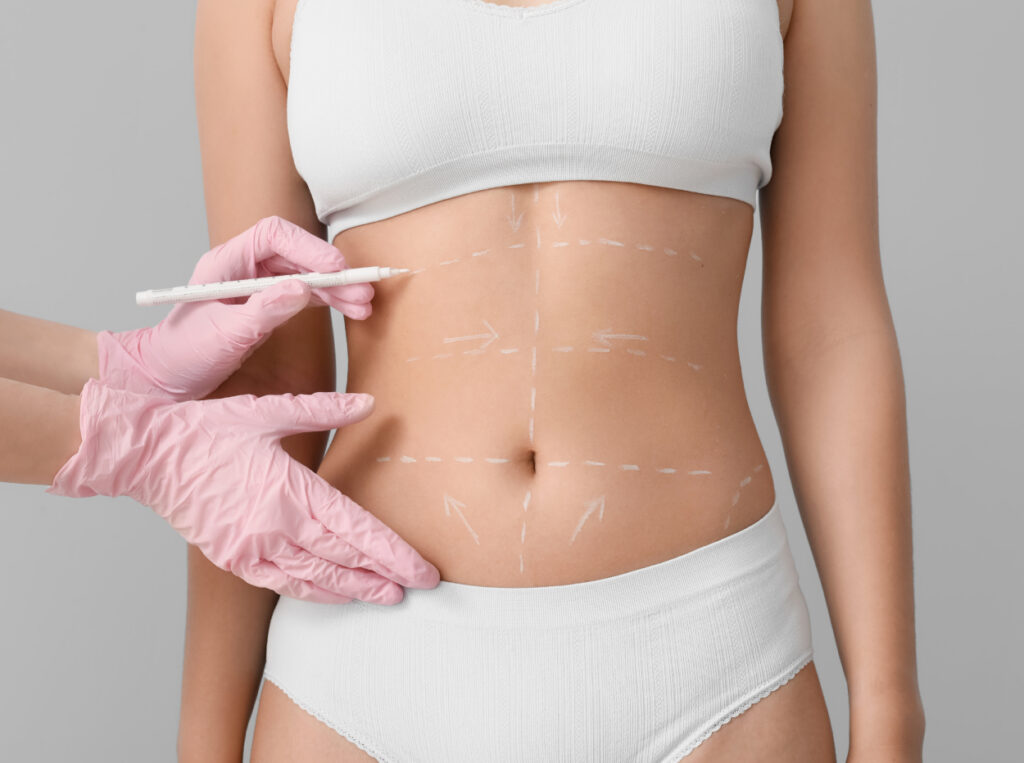
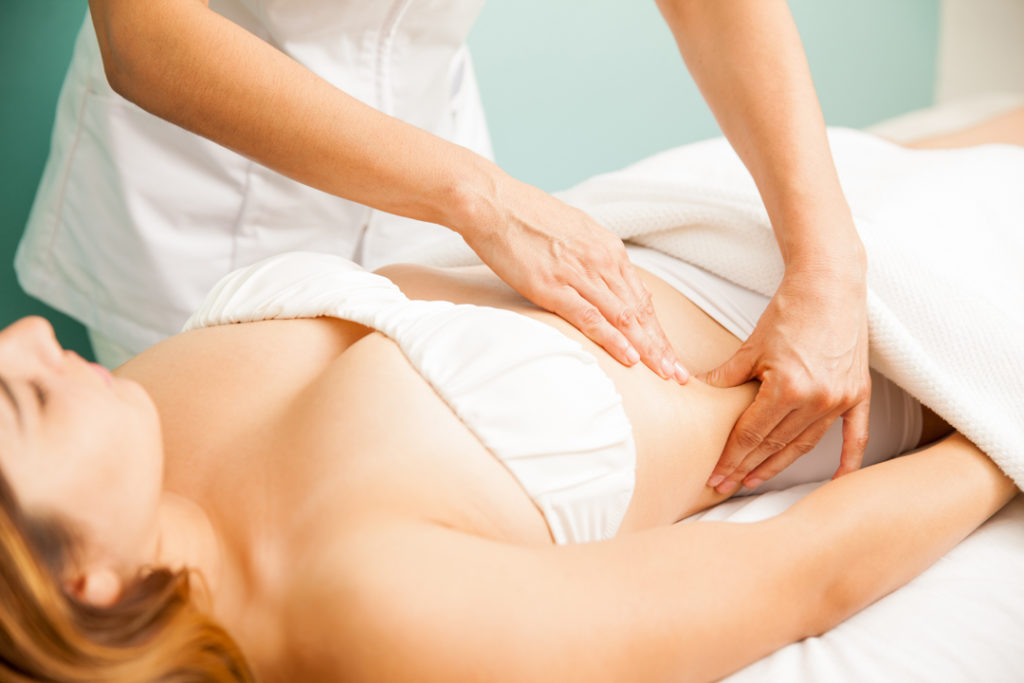

There is a clear difference between wanting to look dramatically different and wanting to look a bit more like yourself again. Most women who ask about body contouring are not chasing extremes. They are often trying to address one or two areas that have become resistant to diet, exercise, time, or even weight loss. The goal is not reinvention. It is refinement.
That distinction matters, especially when discussing Body Contouring Farmington Hills with women who value discretion, proportion, and natural-looking results. In practice, the most satisfying outcomes usually come from careful planning, conservative treatment, and realistic expectations. A smoother lower abdomen, a cleaner waistline, less fullness under the chin, or better balance through the flanks can make clothing fit better and help a woman feel more comfortable in her own shape. Those are small changes on paper, but they often carry real emotional weight.
Subtle body contouring is not about chasing a trend. It is about identifying what is structurally possible, deciding what level of correction feels appropriate, and choosing a treatment path that fits the person rather than the marketing.
Why subtle refinement appeals to so many women
After years of working around aesthetic decision-making, one pattern appears again and again. Women rarely describe their concerns in dramatic language. They say things like, “I just want this area to be less puffy,” or “I wish this part looked smoother in fitted clothes,” or “I do not mind looking my age, I just want to feel more put together.”
That mindset tends to produce better decisions. It shifts the conversation away from fantasy and toward proportion. A subtle improvement is often easier to maintain, easier to conceal during recovery if surgery is involved, and less likely to create that overdone appearance many women actively want to avoid.
This is especially relevant in body contouring because every body carries fat differently. Two women can have the same height and similar weight, yet completely different concerns. One may hold fullness through the lower abdomen after pregnancy. Another may be lean overall but frustrated by bra-line fullness or a small pocket at the outer thighs. Another may have lost significant weight and now want modest tightening rather than a full transformative procedure. Good contouring accounts for those differences.
In Farmington Hills, women looking into aesthetic treatments often want results that fit a busy, visible life. They work, parent, travel, attend events, and move through professional settings where abrupt changes invite more attention than they want. Subtle refinement respects that reality.
What body contouring actually means
Body contouring is a broad term. It can refer to surgical fat reduction, non-surgical fat reduction, skin tightening, or a combination of approaches used to improve shape and definition. It does not automatically mean major surgery, and it does not guarantee weight loss.
That last point deserves emphasis. Body contouring is usually best for localized problem areas rather than generalized weight reduction. A woman may be close to her stable weight and still have stubborn fat deposits that do not respond the way the rest of her body does. In that case, contouring can make sense. If her weight is fluctuating significantly or she is early in a longer health journey, it often makes more sense to stabilize first.
The right treatment also depends on the actual issue. If the concern is mainly excess fat, one strategy may work. If loose skin is the primary problem, fat reduction alone may disappoint. If muscle separation after pregnancy is involved, no external contouring device will fully solve that. A careful evaluation matters far more than a catchy treatment name.
The women who tend to be happiest with body contouring
The happiest patients are not always the ones asking for the biggest change. They are usually the ones who understand the limits of treatment and can describe their goals with specificity. They know the difference between “I want this lower belly to look smoother in dresses” and “I want a totally different body.”
In practical terms, good candidates often share a few characteristics:
- They are near a stable, maintainable weight.
- They have one or several defined problem areas rather than diffuse concerns everywhere.
- They understand that contouring shapes, it does not replace healthy habits.
- They are willing to allow time for swelling to settle and results to develop.
- They want improvement, not perfection.
Pregnancy, menopause, age-related changes in skin elasticity, genetics, and prior weight fluctuations all influence candidacy. A woman in her thirties with mild lower abdominal fullness may be suited to one approach. A woman in her fifties dealing with both fat distribution changes and skin laxity may need a different strategy to get a refined result.
That is why blanket promises are unhelpful. Good body contouring is highly individual, and subtle refinement usually depends on choosing less, not more.
https://www.google.com/maps?cid=15618896523686751270Common treatment areas women mention most often
Certain areas come up repeatedly in consultations because they are visible in clothing and resistant to effort. The lower abdomen is an obvious one, especially after pregnancy or weight changes. Flanks also matter because even a small reduction can change the silhouette in jeans, fitted tops, and dresses. Upper arms are another frequent concern, particularly when women want sleeves to drape better rather than cling.
Inner thighs, outer thighs, bra-line fullness, the area below the chin, and the region above the knees are also discussed more often than people realize. Some women are surprised by how much a small treatment under the chin or around the waist can influence overall balance. Others come in asking about one area and leave realizing that another area is creating the visual issue. For example, a woman may think her abdomen is the whole problem when moderate flank fullness is actually what is blurring her waistline.
That is where experienced clinical judgment matters. Treating the obvious spot is not always the same thing as treating the area that will produce the most elegant result.
Surgical and non-surgical approaches are not interchangeable
Women comparing options often hear broad descriptions that make treatments sound more similar than they really are. They are not.
Surgical contouring, such as liposuction or excisional procedures, generally offers more visible change and more control over reshaping. It can be ideal for women who want meaningful reduction in a stubborn area and accept downtime, recovery, and procedural intensity. When done well, surgical contouring can be remarkably precise. It can also address concerns that non-surgical methods simply cannot correct to the same degree.
Non-surgical contouring tends to appeal to women who want modest improvement with less disruption. These treatments may use controlled cooling, heat, radiofrequency, ultrasound, or injectable technology depending on the platform and target. Recovery is often easier, but the change is also usually more gradual and less dramatic. For the right patient, that is exactly the appeal. Results unfold quietly, which suits women who prefer privacy.
The problem comes when expectations are mismatched. A woman hoping for a surgical-level transformation from a non-surgical treatment may end up frustrated. On the other hand, a woman who truly needs only a 10 to 20 percent softening in one area may be delighted with a lower-commitment option.
Neither category is inherently better. The better choice is the one that fits the anatomy, the timeline, and the tolerance for downtime.
The role of skin quality, which is often underestimated
Many women focus on the amount of fat they want reduced, but skin quality is often what determines whether the final result looks smooth or slightly deflated. This is one of the most important judgment calls in aesthetic planning.
If skin has good elasticity, reducing volume may allow the area to contract nicely. If skin is thin, stretched, crepey, or significantly lax, volume reduction alone can expose that looseness rather than improve it. This is especially common after pregnancy, significant weight loss, or normal age-related collagen decline.
That does not mean a woman is not a candidate for contouring. It means the treatment plan must be honest about what is achievable. In some cases, combining fat reduction with skin tightening makes sense. In others, surgery may be the only realistic way to address loose skin meaningfully. And in some patients, restraint is the smartest option because over-treating an area can create contour irregularities or accentuate laxity.
There is real skill in knowing when not to chase every millimeter of fullness.
Why consultation quality makes such a difference
A strong consultation does not feel like a sales pitch. It feels specific. The provider should look at the body in motion and at rest, evaluate skin tone and distribution patterns, ask about weight history, pregnancy history, exercise habits, and prior procedures, and explain what is likely versus what is theoretically possible.
Women considering Body Contouring Farmington Hills should expect a detailed conversation about trade-offs. How much improvement is realistic? How long will swelling last? Will one treatment be enough? If the abdomen is treated, should the flanks be addressed too for balance? Is a non-surgical option likely to under-deliver? Is skin laxity the actual limiting factor?
Those questions matter more than brand names.
A woman who comes in with a clear goal, for example, wanting the lower abdomen to sit flatter in tailored pants, can usually get more useful guidance than someone asking vaguely to “tighten everything.” The more concrete the goal, the more precise the recommendation can be.
What subtle refinement looks like in real life
Subtle refinement often reveals itself in small moments rather than dramatic before-and-after reactions. A dress zips more easily through the waist. A blouse lies flatter at the midsection. The line from ribcage to hip looks smoother in profile. A woman stops tugging at a shirt hem before walking into a room.
Those are not flashy outcomes, but they are meaningful ones.
I have seen women light up over changes that would barely register to someone else. A half-inch reduction at the flanks can make a pair of trousers fit the way they used to. A modest reduction under the chin can make video calls feel less distracting. Slight contouring of the upper abdomen can restore confidence after one or two pregnancies even when the patient already looks objectively fit.
That is the hidden truth in aesthetic work. The most appreciated results are often the least obvious to everyone else.
Recovery, downtime, and the reality behind “easy”
Marketing language often compresses recovery into something unrealistically neat. Even lower-downtime treatments involve a process. Swelling, tenderness, numbness, firmness, bruising, temporary asymmetry, and delayed result development are common themes in many contouring procedures.
For surgical treatment, downtime is more obvious. Garments may be required. Exercise restrictions are real. Swelling can linger for weeks or longer, and the final contour may take time to declare itself. Women who go into the process expecting an immediate polished result usually struggle more than those who understand healing as a staged progression.
For non-surgical options, downtime may be lighter, but patience becomes the trade-off. Changes often appear gradually over several weeks or months. Some women need multiple sessions to reach the level of refinement they want. That should not be framed as failure. It is simply how many of these technologies work.
A good rule of thumb is this: the less invasive the treatment, the more important expectation management becomes.
Questions worth asking before choosing a provider
There is no perfect script for a consultation, but a few questions consistently help women sort careful practices from overly promotional ones:
- Based on my skin quality and fat distribution, what result range is realistic for me?
- Am I a better candidate for surgical contouring, non-surgical contouring, or no treatment right now?
- What part of my result is limited by fat, and what part is limited by loose skin or muscle structure?
- How many treatments or how much recovery should I honestly expect?
- What does an underwhelming result usually look like in someone with my anatomy?
These questions invite nuance. They also make it harder for a provider to stay in vague, one-size-fits-all language.
Body image, timing, and making the decision for the right reasons
Body contouring can be empowering, but timing matters. Women tend to make better choices when they are acting from steadiness rather than urgency. That means not booking a procedure in a rush before a reunion, not treating contouring like punishment after weight gain, and not assuming a procedure will fix broader dissatisfaction that extends well beyond one physical feature.
It is also wise to think about season of life. If another pregnancy is likely in the near future, some abdominal procedures may be better postponed. If weight is still actively changing, waiting can protect the investment. If a woman is in the middle of a stressful period and cannot realistically recover well or follow instructions, the “right” procedure may become the wrong timing.
The emotional part of this deserves respect. Wanting to refine your shape is not frivolous. It is also not always urgent. The healthiest choices usually come from women who can say, calmly and clearly, what bothers them, what level of change would satisfy them, and what they are not willing to compromise to get it.
Why “natural-looking” takes more restraint than people think
Overcorrection is a real risk in body contouring. Too much fat removed from one area can make another area look disproportionately full. Aggressive treatment can create dips, waviness, or a look that feels unnatural when the body moves. This is especially true in women seeking subtle refinement, because the margin for tasteful change is narrower than it is in cases where large-volume correction is clearly needed.
Natural-looking results often come from strategic moderation. Leaving the right amount of softness in the right places preserves femininity and balance. That is particularly important in the hips, thighs, and waist, where shape should harmonize rather than look carved out.
This is one reason experienced patients often value conservative providers. A practitioner who is willing to say, “I would stop here,” is often protecting the result.
Body contouring after pregnancy and midlife changes
Two life phases drive many contouring consultations: the post-pregnancy years and the hormonal changes of midlife.
After pregnancy, women often notice that even when weight comes down, the lower abdomen behaves differently. Skin may be looser. The wall may feel less supported. Fat distribution may shift in a way that exercise alone does not fully address. Some women improve enough with time, core work, and patience. Others are left with a lingering pocket or contour imbalance that makes them feel disconnected from their pre-pregnancy shape. Subtle body contouring can be very effective here, provided the actual issue is correctly identified.
Midlife brings a different set of concerns. Women may develop increased fullness at the waist, upper abdomen, or under the chin even if their habits have not changed dramatically. Skin elasticity also tends to decline, which changes what “good results” look like. A treatment plan for a 48-year-old woman often needs more finesse than the same plan would for a 28-year-old. Not because older women cannot get excellent outcomes, but because tissue behavior changes and should be respected.
For many women in Farmington Hills, these life-stage concerns are exactly what leads them to explore Body Contouring Farmington Hills options in the first place. They are not trying to become someone else. They are trying to feel aligned with the care they already put into the rest of their lives.
The value of an honest endpoint
One of the smartest conversations a woman can have before treatment is about what “enough” looks like. If the aim is subtle refinement, the endpoint should be clear. Maybe it is looking smoother in work dresses. Maybe it is reducing one pocket of fullness that has been a wardrobe frustration for years. Maybe it is restoring confidence in sleeveless tops before summer.
Without that endpoint, it is easy to keep noticing tiny asymmetries or comparing your body to digitally altered images that no real procedure can reproduce. A measured goal protects satisfaction.
Body contouring is at its best when it solves a defined problem and then stops. That is where subtle refinement lives. It is not loud. It is not performative. It is the kind of change that allows a woman to stand a little straighter, get dressed a little faster, and spend less time thinking about the area that used to bother her.
For women exploring Body Contouring Farmington Hills, that may be the most important perspective of all. The best result is rarely the one that announces itself. It is the one that fits naturally into your life, your shape, and your sense of yourself.
Aesthetic Plastic Surgery & Laser Center, Michelle Hardaway M.D.
Address: 27920 Orchard Lake Rd, Farmington Hills, MI 48334
Phone number: +12482211957
FAQ About Body Contouring Farmington Hills
What does body contouring actually do?
Body contouring (or body sculpting) eliminates stubborn localized fat, tightens loose, sagging skin, and reshapes your silhouette. It is not a weight-loss tool, but rather a cosmetic procedure used to refine and tone specific trouble spots after major weight loss, pregnancy, or aging.
How much does body contouring usually cost?
The total cost of body contouring usually ranges from $2,000 to $25,000+ depending entirely on whether you choose non-surgical sessions or major surgical procedures.
Because "body contouring" covers everything from simple fat-freezing to comprehensive post-weight-loss surgeries, pricing is heavily categorized by the method used.
What is the best type of body contouring?
Liposuction is a huge topic and worth discussing in more detail, but in terms of body contouring and sculpting, nothing does the job better than liposuction, particularly VASER liposuction.